
Iberá Marshlands Wetlands, palm groves, forests and savannahs
- Duration: 5 days
- Season: From September to May
Iberá is a land of incredible biological diversity, and the south of this great ecosystem, around Iberá Lake, will give you the chance to explore and photograph a big number of species in habitats such as palm groves, ñandubay forests, marshes and savannahs.
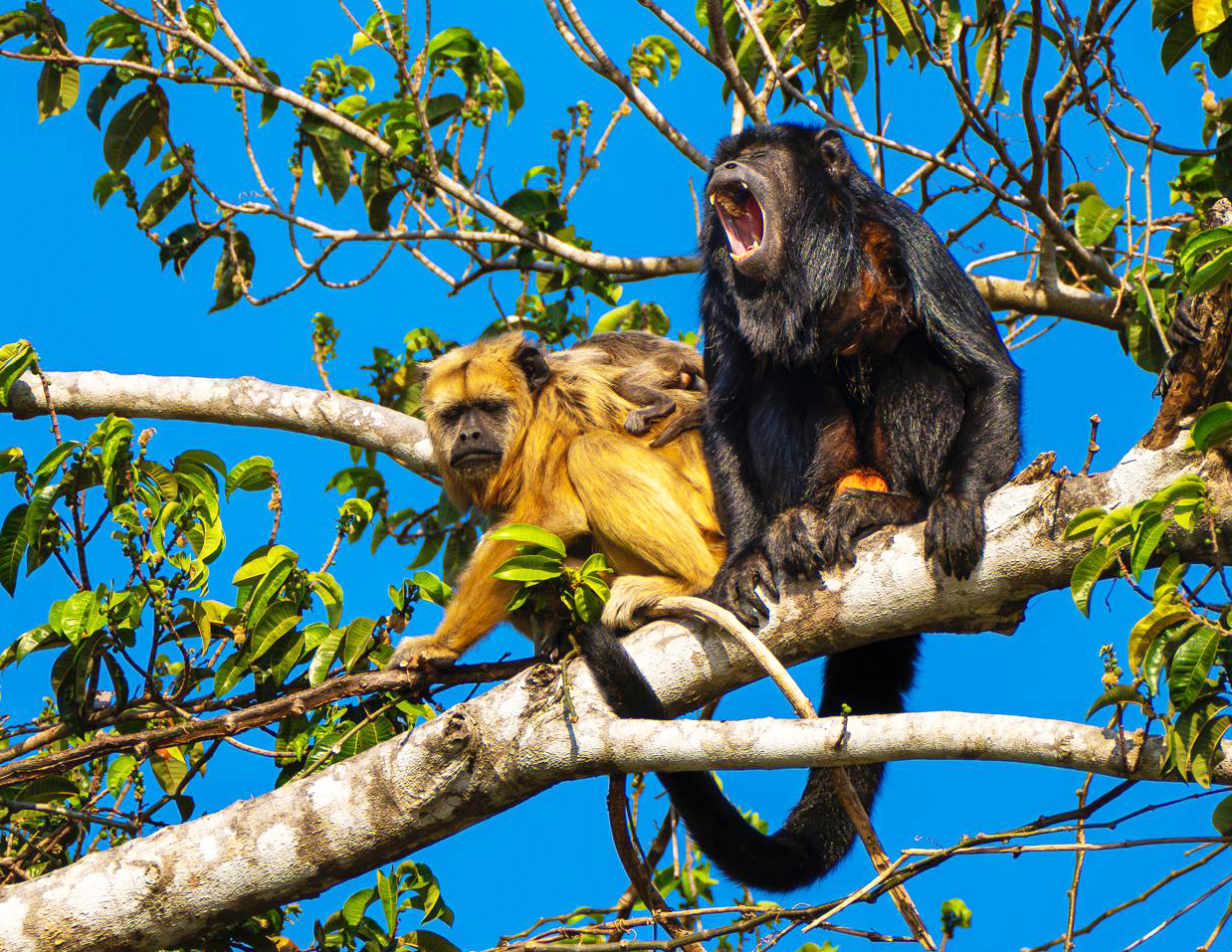
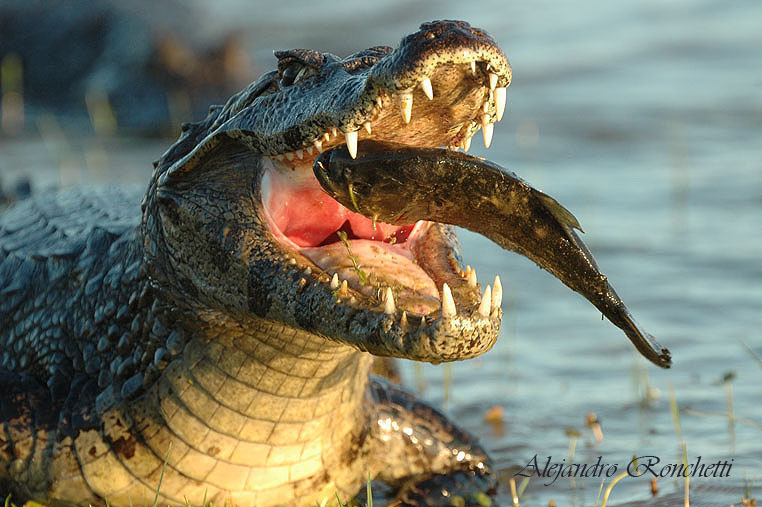
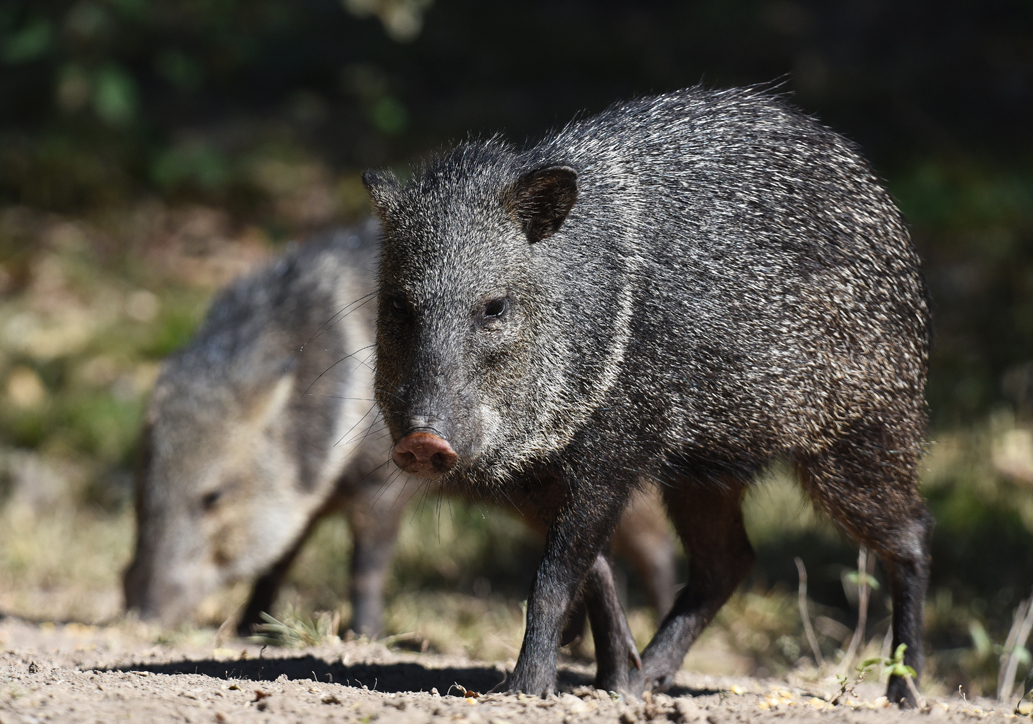
The region is one of the best locations in South America for photographing the endangered Marsh deer, Strange-tailed tyrants, Southern river otters, the Capybaras (the largest rodent on Earth), Jabirus, Southern screamers, Yellow and Red-crested cardinals, groups of Black-and-golden howler monkeys, colorful tree frogs, two species of caimans, Collared peccaries, Pampas deer and Rufescent tiger-herons, among many other species.
We will navigate the Iberá marshlands, together with the thick forests, and we’ll also organize nocturnal outings, where we will be fascinated by the magic of different sounds and smells, and discover new creatures, such as Tropica screech-owl, Crab-eating racoon and Viscachas.
We arranged the lodging in comfortable lodges in Colonia Carlos Pellegrini, a tiny town near Lake Iberá. Another interesting option is to stay in the Estancia Rincón del Socorro, where Conservation Land Trust is doing important efforts in conservation and reintroducing endangered species as the giant anteater.
Note: Due to its proximity, Iberá can be combined with the Iguazú National Park.
Request programs
- Día 1: Buenos Aires – P.N. El Palmar – Hotel en Concordia
- Día 2: Continuación a Curuzú Cuatiá – Estadía en lodge
- Día 3: Al Parque Iberá, con paradas en el camino. Alojamiento en posada en Colonia Carlos Pellegrini x 3 noches
- Día 4: Iberá. Avistajes en los esteros del Iberá (medio día en embarcación. Por la tarde observaciones en palmares y bosques.
- Día 5: Iberá. Visita a los Esteros del Cambá Trapo
- Día 6: Trf al aeropuerto de Posadas. FIN